

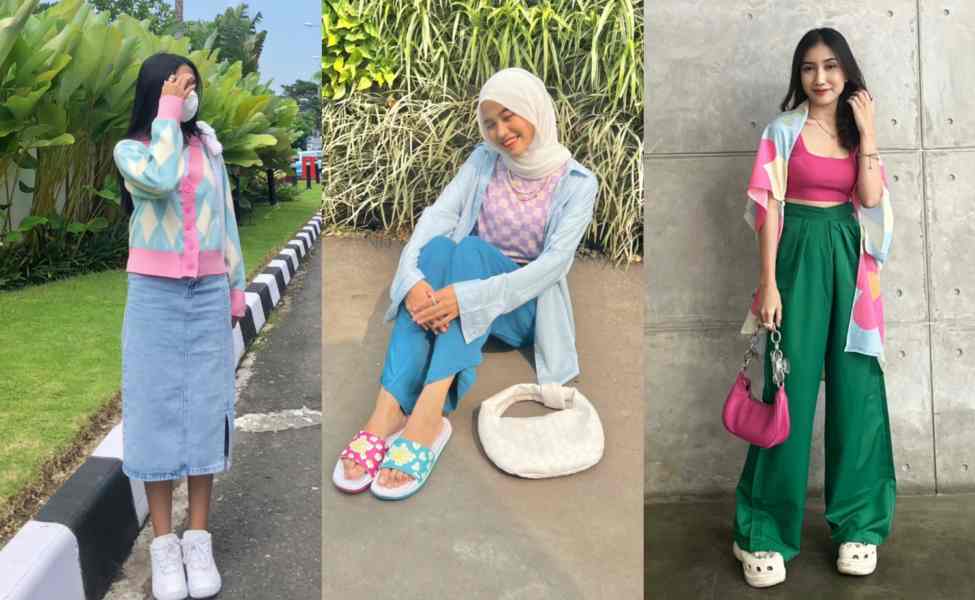
You want outfits that feel effortless and make you stand taller. This post shows practical mix-and-match strategies, trend tips, and wardrobe-building moves so you can create confident looks from pieces you already own.
Master a few color combos, proportion rules, and accessory swaps, and you’ll reliably turn simple items into stylish, confidence-boosting outfits. Expect clear examples for daily, semi-formal, seasonal, and budget-smart looks so you can dress with purpose every time.
Keep scrolling to learn how to identify versatile staples, apply easy pairing techniques for different occasions, and use accessories to amplify your presence without overthinking.
Understanding Mix and Match OOTD for Women
You’ll learn how to combine pieces to expand outfit options and how outfit choices influence how you feel and appear. Expect clear, practical ideas you can apply to daily dressing and special occasions.
What Is Mix and Match?
Mix and match means combining separate wardrobe pieces to create multiple distinct outfits. You use fundamentals—neutral tops, versatile bottoms, a jacket, and a few statement items—to multiply looks without buying more clothes.
Focus on three building blocks: color palette (stick to 2–4 core colors), silhouette balance (pair fitted with loose), and texture contrast (knit with silk, denim with chiffon).
Create outfits by applying simple rules: one patterned piece per look, anchor with a neutral base, and repeat a color or accessory to tie elements together.
Practice with capsule sets: pick 8–12 pieces that yield 20+ outfits. This method saves time, reduces decision fatigue, and helps you identify what styles suit your proportions and lifestyle.
Significance of OOTD for Confidence
Your OOTD communicates competence and mood before you speak. Choosing outfits that fit well and reflect your style improves posture and reduces self-consciousness.
Use fit, color, and grooming deliberately. Well-fitting clothes create a clean silhouette; colors that flatter your skin tone make you look healthier; neat grooming signals attention to detail.
Small choices matter: swapping sneakers for low heels can change how you walk and feel, while a bold accessory can act as a confidence anchor.
When you build outfits that align with your activities—work meetings, casual dates, or formal events—you behave more confidently because your appearance supports the role you want to play.
Key Trends in Women’s OOTD Fashion
You’ll find a mix of retro references, functional tailoring, and sustainable choices driving today’s looks. Focus on adaptable pieces, clear color palettes, and simple mixes that boost confidence and wearability.
Popular Styles for 2026
Tailored separates continue to dominate. Think single-breasted blazers with slightly cropped hems and high-waist, straight-leg trousers. These pair easily with casual tees or silk blouses to move from meetings to evenings.
Y2K elements persist but in muted form: low-rise influence appears in midi skirts and low-slung belts rather than extreme cuts. Sport-luxe remains relevant—technical sneakers, softshell jackets, and mesh details add a practical edge.
Vintage-inspired dresses—tea-length florals and structured shirt-dresses—offer feminine options without fuss. You’ll see layering used deliberately: slip dress over a thin knit or a fitted turtleneck under a sundress creates depth and versatility.
Essential Wardrobe Pieces
Invest in three core tops: a crisp white shirt, a fine-gauge ribbed knit, and a relaxed cotton tee. These anchor most outfits and mix across seasons.
For bottoms, keep a neutral tailored trouser, a mid-length skirt, and a clean straight-leg jean. Each supports multiple looks: dress up with heels or down with trainers.
Outerwear choices should be functional and stylish: a lightweight trench, an oversized blazer, and a technical parka cover formal and casual needs. Shoes: low-block heels, minimalist sneakers, and ankle boots deliver daily comfort and polish.
Accessories that matter: a narrow leather belt, a medium-structured tote, and subtle gold jewelry. These small items change the outfit’s tone quickly and cost-effectively.
Color and Pattern Trends
Neutrals dominate your base palette: warm beige, graphite gray, and deep navy create a refined backdrop. These shades pair easily and reduce decision fatigue.
Accent colors lean toward muted pastels—sage, dusty rose, and butter yellow—used in knitwear or small accessories. You’ll find richer tones—cognac and forest green—appearing in leather goods and outerwear for depth.
Patterns favor restrained scale: thin pinstripes, small-scale gingham, and soft florals. You can mix patterns if you keep one element tonal (e.g., navy pinstripe blazer with a small floral scarf). Avoid large, clashing prints unless the rest of your outfit remains very simple.
How to Build a Versatile Wardrobe
Focus on reliable basics that pair easily, then add a few statement pieces that reflect your style. Prioritize fit, fabric, and color harmony so each piece works with many others.
Selecting Timeless Basics
Start with well-fitting essentials: a white button-down, slim dark jeans, a tailored blazer, a neutral T-shirt, and a midi skirt in a solid color. These items create the backbone of multiple outfits and transition across seasons.
Pay attention to fabric quality — cotton, wool blends, and structured knits last longer and drape better. Choose neutral colors (black, navy, beige, white, olive) to maximize mixing ability.
Fit matters more than labels. Tailor a blazer or alter jeans so they flatter your body; a small adjustment multiplies outfit potential. Buy one size that allows layering without bulk.
Choosing Statement Items
Pick 3–5 statement pieces that add personality: a patterned blouse, a brightly colored coat, bold sneakers, a leather jacket, or a printed scarf. Let each statement item serve at least three different looks.
Use one focal point per outfit to keep looks balanced. If you wear a patterned top, pair it with neutral bottoms and simple accessories. For a bright coat, keep the rest of the outfit in muted tones.
Prioritize versatility within statements: a leather jacket works with dresses, jeans, and skirts; patterned scarves can become head wraps or belt accents. Invest in one standout accessory, like a structured bag or gold hoop earrings, to elevate many outfits.
Creating Personalized Mix and Match Looks
Focus on pieces you already own, pick a clear color story, and set simple proportion rules to make outfits that feel intentional and comfortable.
Identifying Your Style
Start by taking photos of five outfits you wear most and note what you like about each—fit, color, or mood.
Look for patterns: do you prefer tailored lines, relaxed silhouettes, or bold prints? That becomes your baseline.
Create a small style vocabulary of 6–8 words (e.g., minimalist, vintage, sporty-chic, feminine) and use those words to filter new items before buying.
Keep a core capsule: 6 neutrals (black, white, navy, beige, denim, olive) plus 4 statement pieces you love. This reduces decision fatigue when mixing.
Use a simple grid to organize daily options: tops (5) × bottoms (4) × layers (3) × shoes (3).
Rotate one statement piece per outfit to keep looks fresh without overcomplicating combinations.
Combining Colors and Textures
Choose one dominant color, one supporting neutral, and one accent per outfit to maintain coherence.
For example: white blouse (dominant), navy skirt (support), mustard bag (accent).
Mix textures with intent: pair a smooth silk top with structured denim, or chunky knit with a leather skirt.
Texture contrast adds depth while keeping the palette simple.
Use basic color pairings that work reliably: monochrome, neutral + pop, or complementary muted tones (olive + rust).
Limit prints to one per outfit and echo a color from the print elsewhere—shoes or an accessory—to unify the look.
Balancing Proportions
Decide whether your outfit reads top-heavy or bottom-heavy, then counterbalance with volume or structure.
If you wear a voluminous top, tuck or choose a slim bottom; if you wear wide-leg pants, pick a fitted or cropped top.
Measure proportions visually: aim for a clear waist line or defined break at the hip to avoid shapeless silhouettes.
Use belts, half-tucks, or cropped jackets to create that break quickly.
Keep footwear and outerwear in mind: heels or a fitted jacket can lengthen the silhouette; bulky sneakers and oversized coats shorten it.
Adjust one element at a time so you can see how each change affects overall balance.
Mix and Match Techniques for Different Occasions
Choose colors, layers, and accessories that match the event’s formality and the weather. Focus on one statement piece per outfit and balance proportions to keep your look intentional.
Casual Wear Ideas
Start with a reliable base: fitted jeans or a relaxed midi skirt. Pair with a plain tee or knit—neutral tops make it easy to swap jackets, from denim to oversized blazers.
Use color pops sparingly. Add a bright bag, patterned scarf, or bold sneakers to lift a muted palette without overwhelming the outfit.
Play with texture for interest: corduroy, ribbed knits, and soft denim layer well together.
Follow simple rules for proportions. If you wear wide-leg trousers, tuck in your top or choose a cropped jacket to define your waist.
Finish with casual accessories like a crossbody bag, minimal hoop earrings, or a baseball cap for practical style.
Office Ensemble Tips
Start with tailored pieces: a blazer, pencil skirt, or straight-leg trousers in navy, black, or taupe provide a professional base.
Mix in one contemporary element—textured blouse, subtle print, or colored shoe—to show personality while staying work-appropriate.
Keep patterns and colors conservative. Pair a pinstripe blazer with a solid blouse and match belt and shoes in the same color family.
Prioritize fit and comfort: breathable fabrics and a blazer with slight stretch keep you polished during long days.
Accessorize with purpose. Choose a structured tote, a slim watch, and small studs.
If your office allows business-casual, swap the blazer for a fine-knit sweater and add loafers or low-heeled mules.
Styling for Special Events
Identify the event’s dress code first—cocktail, semi-formal, or festive casual—then pick one focal piece like a statement dress or embellished top.
Keep other elements understated: neutral heels, a clutch, and delicate jewelry let the focal piece shine.
Use contrast to create drama. Pair a sleek slip dress with a tailored coat, or dress a bold printed skirt down with a monochrome silk blouse.
Consider fabric choices: satin, velvet, and sequins read as dressy while matte cotton or denim remain casual.
Adapt your hair and makeup to the outfit’s tone. A polished bun and bold lip suit formal looks; loose waves and dewy makeup fit relaxed celebrations.
Plan for practical details—bring a shawl for outdoor evenings and choose shoes you can walk and stand in comfortably.
Accessorizing to Boost Confidence
Small, intentional details elevate your outfit and reinforce how you want to be perceived. Focus on pieces that suit your body proportions, color palette, and the event you’ll attend.
Choosing the Right Accessories
Pick one focal accessory to avoid clutter and create a clear style statement. Examples: a bold necklace for a simple neckline, structured belt to define your waist, or statement shoes to anchor a neutral outfit. Match accessory scale to your body—delicate chains suit petite frames, while chunkier pieces balance broader shoulders.
Consider color and material intentionally. Use one accent color drawn from your outfit for cohesion, and mix metals sparingly (two at most) to maintain polish. Prioritize comfort: choose lightweight earrings if you’ll wear them all day, and test bag straps for shoulder fit. Finally, let accessories reflect your mood—classic pieces for formal confidence, playful items for casual energy.
Layering Techniques
Layer accessories to add depth without overwhelming your look. Start with a base piece (e.g., simple tee and pendant), then add a secondary item that contrasts in texture or length, like a longer chain or a thin scarf. Keep at most three visible layers on one area—for example: studs + short necklace + long pendant—to preserve balance.
Apply layering across categories too: stack bracelets on one wrist while keeping the other bare, or pair a single bold ring with subtle midi rings. For clothing layers, combine an inner fitted top with an open blazer or lightweight outer that complements your accessory colors. Adjust proportions—short layers close to the face, longer ones to elongate your torso—to control visual focus and boost your presence.
Seasonal Mix and Match Inspiration
Plan outfits around temperature, color palettes, and key layering pieces so you stay comfortable and stylish through changing weather. Focus on breathable fabrics and light layers for warm months, and insulated textures plus coordinated outerwear for cold months.
Spring and Summer Outfit Ideas
Choose lightweight fabrics: cotton, linen, and modal keep you cool and maintain shape. Pair a cropped linen shirt with high-waist denim or tailored shorts for a balanced silhouette; add a thin leather belt to define your waist.
Use color combos that brighten your look. Try white denim with sky-blue or soft-pastel tops, or olive with mustard accents for an earthy-but-fresh vibe. Limit bold prints to one piece (top or skirt) and keep the rest neutral to avoid visual clutter.
Accessories matter: swap heavy jewelry for delicate chains, use a straw tote or canvas crossbody, and pick low-heeled sandals or clean white sneakers. For hot days, bring a lightweight kimono or oversized button-down to cover shoulders without overheating.
Fall and Winter Combinations
Prioritize layers that trap warmth without bulk: thin merino or cashmere tops under structured blazers, plus high-waist trousers or midi skirts with thermal tights. Choose mid-weight coats—wool blends or puffer jackets—depending on wind and rain.
Adopt a capsule palette for easy mixing: camel, charcoal, deep green, and burgundy pair well and feel seasonal. Mix textures—corduroy pants, ribbed knits, and faux-leather boots—to add depth while keeping colors consistent.
Footwear and outerwear finish your outfit: ankle boots for city days, knee-high for colder streets, and waterproof boots for wet weather. Add a statement scarf and leather gloves; they complement neutral layers and keep your outfit intentional.
Sustainable and Budget-Friendly Fashion Tips
You can build a stylish, confident OOTD without spending much or harming the planet. Focus on thrifting, upcycling, and smarter shopping choices that stretch your budget and increase outfit versatility.
Thrifting and Upcycling
Thrift stores, flea markets, and local online resale platforms often carry timeless pieces—blazers, denim, midi skirts—that pair well with trendier items. Inspect seams, zippers, and fabric for wear; a small repair is usually cheaper than a new purchase.
Bring a measuring tape and a basic checklist (shoulder fit, length, stain-free areas) to avoid impulse buys that won’t work with your wardrobe.
Upcycling turns basic finds into signature pieces. Shorten hems, add buttons, dye fabrics, or combine two garments (a skirt into a layered top) to create unique looks. Start with simple projects: replace buttons, sew a new hem, or add trims.
Keep a small sewing kit and basic tutorials saved on your phone to make quick changes at home. Upcycling saves money and gives you outfits nobody else has.
Smart Shopping Strategies
Prioritize versatile basics that mix and match: neutral tees, a well-fitted blazer, dark denim, and one statement accessory. Build around three color families so every piece can create multiple outfits.
Choose durable fabrics—cotton blends, linen, heavyweight polyester—for items you wear weekly. They hold shape and need fewer replacements.
Use price-tracking apps, seasonal sale calendars, and store loyalty programs to time higher-cost purchases. Set a 24-hour rule for non-essential buys to avoid trend-driven regret.
When buying from ethical brands, check return policies and certifications (OEKO-TEX, GOTS) and favor pieces with repair programs or spare buttons. Small research upfront saves money and reduces waste.
Maintaining Confidence Through Fashion Choices
Choose pieces that fit your body and lifestyle; comfort directly affects confidence. When your clothes move with you, you focus on tasks instead of adjusting fabric.
Build a capsule of versatile basics and rotate statement items to keep outfits fresh without stress. This approach reduces decision fatigue and helps you rely on reliable combinations.
Use color and texture deliberately to support your mood. Neutrals provide a calm base, while one bold color or a textured fabric can lift your presence without overwhelming.
Keep a short checklist before leaving the house:
- Fit: nothing too tight or too loose for the occasion
- Function: pockets, layers, and footwear suited to your day
- Accent: one accessory or pop of color for personality
Practice quick outfit trials to discover go-to combos that make you feel poised. Capture flat-lay photos of successful looks to recreate them fast on busy mornings.
Grooming and posture amplify clothing choices; a simple tidy hair, clean shoes, and upright stance boost how you feel and how others perceive you. Confidence grows from consistent, small choices—make them intentional.