

Neutral colors give your everyday outfits an instant upgrade: they look polished, mix easily, and stay stylish across seasons. You can build a timeless OOTD with a small set of neutral pieces—think tailored outerwear, clean-cut trousers, and quality basics—that work together for effortless, modern looks.
This post shows how to choose those essentials, style them for different occasions, and use accessories and sustainable choices to keep your wardrobe current without constant shopping. Expect practical tips, seasonal ideas, and influencer-inspired examples to help you shape a versatile neutral capsule that fits your lifestyle.
The Appeal of Neutral Colors in Women’s OOTD
Neutral colors make it easy to build outfits that work for work, weekends, and events. They let you mix textures and silhouettes without worrying about color clashes, and they create a polished base you can accessorize to match mood or season.
Timelessness and Versatility
Neutral pieces — think a beige trench, white button-down, or black tailored trousers — stay wearable across seasons and trends. You can wear the same neutral blazer to client meetings, dinners, or travel by switching shoes and jewelry. That reduces the need to replace garments each season and stretches the value of every purchase.
Neutrals also simplify wardrobe planning. When most items share a base palette, you can build capsule outfits quickly. This makes dressing under time pressure easier and helps you prioritize fit and fabric over fleeting color trends.
Psychology Behind Neutral Shades
Wearing neutrals signals restraint and professionalism without demanding attention. Colors like gray or navy convey competence; white and cream suggest cleanliness and precision. You can use neutrals intentionally to influence first impressions in interviews, presentations, or formal settings.
Neutrals also reduce cognitive load when choosing outfits. You make fewer styling decisions, which can lower stress on busy mornings. That practical benefit aligns with a minimalist approach and supports consistent personal branding through repeatable looks.
Popular Neutral Tones for Women
- White & Off-white: Crisp shirts, camisoles, and knitwear that brighten complexions and layer well.
- Beige & Camel: Soft blazers, coats, and knit sets that add warmth without dominating an outfit.
- Gray: Versatile for suiting, trousers, and knits; pairs smoothly with both warm and cool accents.
- Black: Reliable for structure—dresses, trousers, and outerwear that anchor looks and slim silhouettes.
- Navy: A softer alternative to black for suits and dresses that still reads formal.
Mix these tones deliberately: pair camel with navy for contrast, or layer varying shades of beige for a monochrome, textured look. Use small pops—metallic jewelry, leather accessories, or a scarf—to add character without breaking the neutral harmony.
Essentials for Creating a Neutral OOTD
Focus on garments that mix easily, fabrics that add depth, and simple layering tactics to keep proportions and contrast balanced. Prioritize pieces that serve multiple outfits and textures that prevent a flat-looking ensemble.
Must-Have Wardrobe Staples
Build a core capsule: a beige trench or tailored camel coat, a white button-up shirt, a soft grey crewneck sweater, high-waist straight-leg jeans in light or mid-blue, and a pair of black tailored trousers. Add neutral shoes — white leather sneakers, black loafers, and nude low heels — plus a crossbody bag in tan or taupe.
Choose cuts that flatter your body: high-waist bottoms elongate, slightly cropped jackets show proportion, and a structured blazer sharpens casual looks. Limit loud details; pick one statement item (like a textured coat) per outfit.
Keep 2–3 colors per outfit to maintain the neutral theme while avoiding monotony. Rotate neutrals by tone (warm vs cool) to create subtle contrast.
Material and Texture Selection
Combine matte and slight-sheen fabrics to add dimension. Cotton and linen bring casual breathability; merino and cashmere add refined softness; satin or lightweight silk in a blouse introduces a polished highlight.
Use texture to separate pieces: a ribbed knit sweater, smooth leather bag, and brushed-wool coat read distinctly even in similar tones. Avoid pairing too many slippery fabrics together, which can collapse visual interest.
Pay attention to weight for seasonality. Lighter cottons and linens suit spring/summer; midweight wool and knit blends hold structure in fall/winter. Choose easy-care versions when you need low maintenance.
Layering Techniques with Neutrals
Start with a fitted base layer — a tee or thin knit — to keep proportions clean. Add a mid layer like a button-up or lightweight sweater, then finish with an outer layer such as a blazer, trench, or long cardigan.
Mix lengths: pair a cropped jacket with high-waist pants, or a long coat over a midi skirt. This maintains balance and creates intentional lines. Use a belt to define the waist when layers risk looking bulky.
Introduce a small accent (contrast collar, visible cuff, or patterned scarf) to break uniformity without adding color clutter. Keep accessories minimal and tonal to preserve the timeless feel.
Styling Tips for Trendy Neutral Outfits
Focus on clear combinations, texture, and small accents that lift neutral pieces. Use contrast, layered fabrics, and one or two accent items to keep looks modern and intentional.
Monochrome Looks
Choose one neutral hue and vary shades, textures, and finishes to create depth. For example, pair a cream silk blouse with a slightly darker wool skirt and matte leather boots for contrast without color disruption.
Keep proportions deliberate: slim top with a fuller skirt, or wide-leg trousers with a fitted knit. This prevents a washed-out silhouette and keeps the outfit structured.
Add interest with accessories in the same tonal family—belt, bag, and minimal jewelry—so they feel cohesive rather than matchy. Pay attention to fabric weight; mixing lightweight and heavier fabrics avoids visual flatness.
Mixing Light and Dark Neutrals
Combine light neutrals (ivory, beige) with dark neutrals (charcoal, black) to create clear contrast that reads polished. Start with a base piece—dark trousers or a black blazer—then layer a light top or coat to frame your face.
Balance is key: if the top is light and voluminous, keep the bottom streamlined. Use one dark anchor piece and one light focal piece to guide the eye.
Mind the edges where pieces meet: a visible belt, cuff, or collar can act as a clean break between tones. Also consider temperature — lighter neutrals read softer for daytime, while darker neutrals feel sharper for evening.
Balancing with Subtle Accents
Introduce a restrained accent color or texture to prevent neutrals from appearing flat. Small touches like a dusty-pink scarf, mustard socks, or a textured snakeskin bag add personality without overpowering the palette.
Limit accents to one or two items to maintain the timeless quality of neutrals. Choose matte or muted finishes for color accents to keep the overall look refined.
Prioritize functional accents that double as focal points—statement belt, patterned loafers, or a sculptural earring. These elements should complement the outfit’s proportions and the neutrals’ tone rather than compete with them.
Accessorizing Neutral-Themed OOTDs
Choose one or two focal pieces, balance proportions, and pick colors that either blend or deliberately contrast with your base neutrals. Small details—metal finishes, texture, and scale—make neutral outfits read as intentional rather than bland.
Statement Accessories
Use one bold item to anchor your look, such as a large resin necklace in tortoiseshell or an oversized silk scarf with a subtle print. Keep other jewelry minimal: thin gold hoops or a slim chain prevent visual competition.
If you prefer color, limit it to a single accent—deep forest green, navy, or terracotta—so it reads as a curated choice against beige, gray, or black.
Consider scale and placement: chunky cuffs work best with short sleeves; long pendant necklaces lengthen a boxy top.
Texture can act like a statement too—woven belts, patent leather chokers, or braided headbands add interest without adding bright color.
Footwear Choices
Match shoe formality to your outfit: pointed loafers or low block heels elevate a neutral blazer-and-trouser set. White leather sneakers keep linen or cotton neutrals casual and modern.
For seasonal shifts, swap in suede ankle boots in taupe or chocolate to warm up an all-gray outfit. Use shoe finishes to add subtle contrast—matte nubuck against silk, or polished leather against brushed wool.
Pay attention to proportions: chunky soles balance wide-leg trousers, while slim-sole pumps suit tapered pants. Slip-on mules give an easy, refined vibe for weekend smart-casual looks.
Bag Styles for Neutrals
Pick a bag that complements the outfit’s formality and scale. Structured top-handle bags in camel or black sharpen tailored looks. Soft slouch bags in oatmeal or sand suit relaxed linen ensembles.
For hands-free convenience, choose a crossbody with a slim strap; pick a metal-tone clasp (gold or brushed silver) that matches your jewelry.
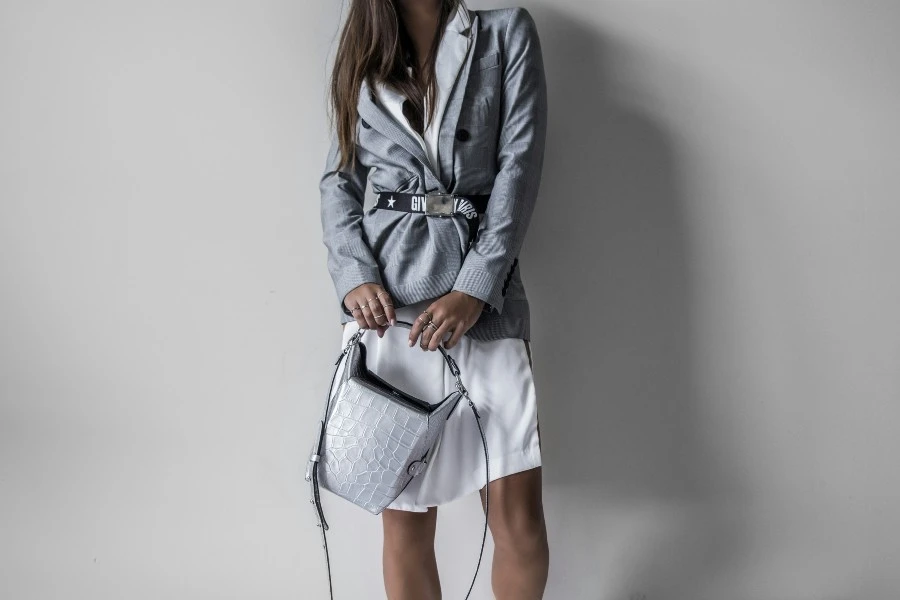
If you want a focal point, go for a textured bag—croc-embossed leather or woven straw—so it reads as purposeful rather than decorative.
Size matters: a compact clutch reads more formal, while a medium tote balances daily needs without overwhelming a minimalist outfit.
Seasonal Inspirations for Neutral Outfits
Choose undertones and fabrics that match the weather, then build around one or two anchor pieces to keep looks cohesive and wearable.
Spring and Summer Neutrals
Lean on light-weight fabrics: linen, cotton poplin, and thin knits maintain structure without overheating. Pick warm off-whites, sand, and soft beige as base colors for tops and dresses; these reflect sunlight and pair easily with bolder accessories.
Balance a loose linen shirt with high-waist shorts or a midi skirt in the same tonal family for an elongated, polished silhouette. Add a single contrasting item—sage green sandals or a terracotta crossbody—to create interest without breaking the neutral scheme.
For evenings, layer a lightweight blazer in washed khaki over a white tee and cropped trousers. Sunglasses, straw hats, and woven belts act as functional style details that keep the outfit summer-ready while staying within a neutral palette.
Autumn and Winter Neutral Fashion
Shift to heavier textures: wool, tweed, suede, and chunky knits provide warmth and visual depth. Choose deeper neutrals—chocolate brown, olive, taupe, and charcoal—for outerwear and trousers to ground your look.
Pair a camel coat with slate-gray trousers and a cream turtleneck for a classic, office-ready outfit. Mix matte and glossy finishes—suede boots with a polished leather bag—to avoid a flat appearance.
Use layering strategically: a longline cardigan under a structured coat or a scarf in warm taupe adds insulation and dimension. When you want subtle contrast, select muted earth tones like rust or deep maroon in small doses (hat, gloves, or a belt) to enhance the neutral base.
Influencers and Icons of Neutral Outfit Trends
Neutral palettes center on effortless mix-and-match, clean silhouettes, and small accessories that lift minimalist looks. You’ll find practical styling cues, signature pieces, and daily OOTD formulas from both online creators and celebrities.
Notable Fashion Influencers
Look to Indonesian influencers like Pimtha for examples of simple, wearable neutral outfits that balance cream, gray, and black. She often pairs streamlined basics—like a fitted white tee and high-waist trousers—with a single standout accessory to keep the look polished without fuss.
Follow content creators who post outfit breakdowns and “what I wore” reels; they show exact brand basics, fabric choices, and proportions you can copy. Pay attention to those who demonstrate layering (vests, light coats) and accessory tips (belts, sunglasses) since those moves prevent neutral outfits from feeling flat.
Celebrity Style Highlights
Celebrities often translate runway minimalism into accessible streetwear you can adapt for work or weekend plans. Look for stars who favor neutral capsules—white shirts, camel coats, tailored blazers—and copy their proportions: oversized outerwear with slim bottoms, or boxy tops with wide-leg trousers.
Note specific styling details you can steal: a monochrome head-to-toe palette, mixing textures (knit + leather), and choosing one muted accent like dusty pink. These choices maintain the timeless vibe while giving your outfit a clear focal point.
Sustainable Choices in Neutral OOTDs
Choose materials that lower environmental impact and treat garments to extend their life. Small choices—fiber type, certification, and washing habits—have measurable effects on waste and emissions.
Eco-Friendly Materials
Pick natural fibers like certified organic cotton, linen, and Tencel (lyocell) for neutral pieces such as tees, shirts, and trousers. Organic cotton reduces pesticide use; linen requires less water and softens with wear; Tencel is made from sustainably sourced wood and uses a closed-loop solvent process.
For knitwear and outerwear, prefer recycled wool or low-pilling blends that resist quick wear. Check labels for third-party certifications: GOTS for organic textiles, OEKO-TEX for low chemical residues, and GRS for recycled content.
Avoid ambiguous terms like “eco” or “sustainable” without certification details. When shopping, ask for fiber percentages, country of origin, and care instructions to compare true environmental benefits.
Longevity and Care Tips
Buy neutral staples in classic cuts and mid-weight fabrics that withstand frequent wear. Choose stitched seams, reinforced buttons, and quality zippers—those small construction details prevent early garment failure.
Wash less and wash cold: lower-temperature cycles reduce fiber breakdown and save energy. Use a mild detergent, turn garments inside out, and air-dry flat or hang to avoid heat damage. For knitwear, reshape while damp to maintain fit.
Repair rather than replace: learn basic mending for hems, loose buttons, and small holes. Store neutrals away from direct sunlight and in breathable cotton bags to prevent yellowing and mildew. Use a fabric shaver sparingly to remove pills and extend the visual life of sweaters.