

You want looks that feel effortless and look current without overcomplicating your mornings. This post shows simple, wearable outfit ideas—think oversized tees, high-waist jeans, joggers, and clean sneakers—plus pairing tips and accessory moves that keep your casual style fresh and practical. You’ll get quick, trendy OOTD formulas and mix-and-match tricks that make dressing well every day easy and believable.
Expect clear guidance on what defines a trendy casual outfit, which wardrobe staples earn their keep, and how to adapt looks by season or occasion while avoiding common styling mistakes. Follow along to build a versatile, modern closet that works with your life, not against it.
What Is Trendy OOTD for Women?
Trendy OOTD for women means outfits that balance current fashion direction with practical wearability. You look for pieces that feel fresh—think relaxed silhouettes, clean lines, and a mix of textures—while still fitting your daily activities.
You can recognize trends in color palettes, like muted pastels or vibrant accents, and in garment shapes such as oversized tees, tailored joggers, and cropped outerwear. Fabrics that prioritize comfort—soft cotton, breathable knits, and recycled materials—often appear in trendy casual looks.
Use accessories to update simple bases: a statement sneaker, minimalist jewelry, or a compact crossbody changes the mood quickly. Layering matters; a blazer over a tee or a long cardigan makes an outfit versatile for day-to-night wear.
Quick checklist:
- Basic pieces: tee, jeans/joggers, sneakers
- One elevated item: blazer, trench, or structured bag
- Texture or color pop: knit, leather, bright scarf
Keep proportions in mind: pair oversized tops with more fitted bottoms or vice versa. That contrast keeps your look intentional and modern without feeling overdone.
Key Elements of Casual Everyday Outfits
Focus on pieces that mix comfort with clean lines, breathable fabrics, and a limited color palette that multiplies outfit options. Prioritize items that layer well and survive frequent wear.
Essential Wardrobe Staples
You need a short list of reliable items that form the backbone of daily looks. Include:
- A well-fitting white tee (cotton or cotton-blend) for layering and solo wear.
- Straight-leg or slim jeans in medium indigo and one black pair for versatility.
- A neutral blazer or lightweight utility jacket to elevate simple tops.
- A casual dress (midi or shirt dress) you can dress up with flats or down with sneakers.
- Sneakers in white or black and a pair of low-heeled ankle boots for quick transitions.
Keep each piece in classic cuts that flatter your shape; avoid overly trendy fits that limit mixing.
Rotate these staples weekly to keep outfits fresh. Invest in one quality outer layer and replace basics as they wear.
Fabric Choices for Comfort
Choose fabrics that breathe, move with you, and retain shape after washing. Prioritize:
- Cotton and cotton blends for tees and shirts — they sweat less and soften with wear.
- Tencel or modal for dresses and blouses when you want drape and a smooth hand.
- Stretch denim (1–2% elastane) for comfort without bagging out.
- Lightweight knits (merino or viscose blends) for layering that doesn’t bulk.
Avoid pure polyester for main pieces; it traps heat and can look synthetic. For active days, pick moisture-wicking blends with nylon or polyester only in small amounts.
Check care labels: choose machine-washable fabrics when you need low maintenance. Prefinish pieces by testing for pilling and shrinkage before relying on them daily.
Choosing Versatile Colors
Build a palette that simplifies matching and expands outfits with minimal pieces. Start with three neutrals: white, navy, and black. Add two soft tones like beige and olive for warmth and depth.
Use one accent color—muted mustard, dusty rose, or teal—to inject personality without clashing. Limit bold prints to one item per outfit to keep looks cohesive. For example:
- Base: white tee + indigo jeans + beige jacket
- Accent: teal scarf or mustard bag
Stick to similar value (lightness) across pieces to avoid visual imbalance. This approach saves time when dressing and increases the number of outfit combinations from the same wardrobe.
Popular Casual OOTD Styles for Women
You’ll find dependable formulas that balance comfort, polish, and personality. Each style below shows clear item pairings, shoe choices, and simple accessorizing tips to make dressing quick and intentional.
Minimalist Looks
Focus on clean silhouettes and a tight color palette. Pick 2–3 neutral tones (white, beige, black, or navy) and rotate high-quality basics like a fitted tee, straight-leg jeans, and a structured blazer.
Wear one statement piece only—a leather tote or a slim gold necklace—to keep the outfit refined without feeling empty.
Fabric matters: choose cotton blends for tees, mid-weight denim, and a wool-blend blazer for seasonless wear.
Shoe options: white sneakers for day, loafers for a polished touch.
Layer with a lightweight trench or cardigan when needed. This approach reduces decision fatigue and keeps your look consistently put-together.
Sporty Chic
Blend athletic pieces with tailored items for a modern, active vibe. Start with an oversized hoodie or cropped sweatshirt and pair it with high-waisted joggers or straight-leg track pants.
Balance proportions by adding a fitted tank or a longline coat to elevate the silhouette.
Sneakers dominate here—chunky or sleek depending on your mood—but swap to platform sandals for warmer days.
Keep accessories practical: a belt bag, minimal cap, and performance fabrics that wick and stretch.
Use color blocking or a single pop of neon to inject energy without overwhelming the overall aesthetic.
Vintage Inspirations
Curate one or two retro elements rather than dressing in period costume. Look for high-waist mom jeans, a tucked-in band tee, or a boxy cropped cardigan to nod to the ’70s–’90s.
Mix textures: corduroy, washed denim, and soft knits create depth.
Footwear like low-heeled ankle boots or retro sneakers (Stan Smiths, classic Vans) anchors the look.
Add small vintage accessories—a slim leather belt, gold hoop earrings, or a silk scarf tied to your bag—for authenticity.
Focus on fit adjustments (hemming or tapering) to avoid a baggy, unintentional silhouette while keeping the nostalgic feel.
Street Style
Aim for bold layering and unexpected proportions you can wear day-to-day. Combine oversized outerwear (puffer, longline blazer) with slim bottoms or vice versa.
Play with textures and prints: mixed plaids, leather, and graphic tees create visual interest.
Footwear can be statement-making—combat boots, platform sneakers, or chunky soles work well.
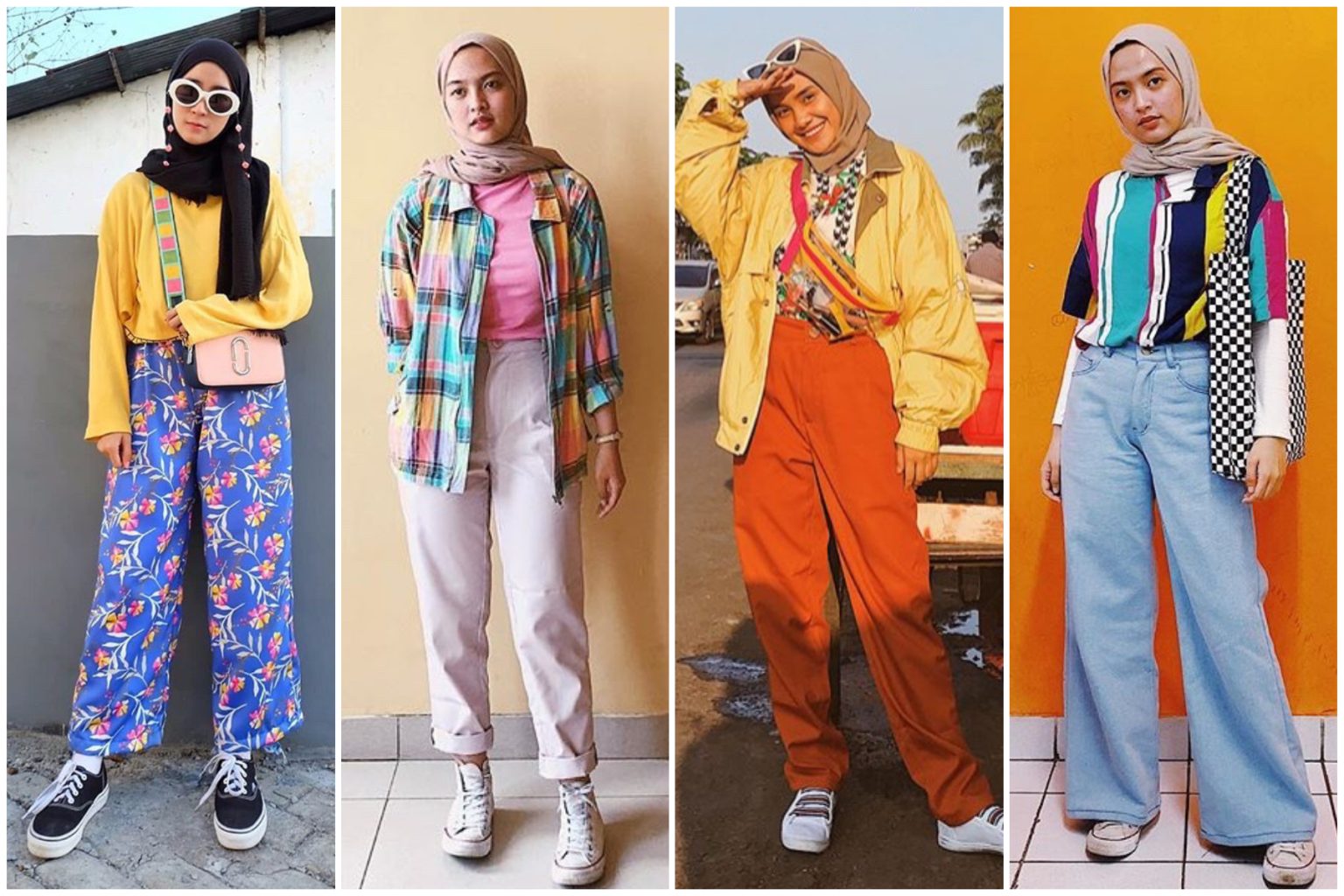
Accessorize with visible hardware: chain necklaces, crossbody bags with wide straps, and standout sunglasses.
Keep one focal point—an oversized coat, printed pants, or striking shoes—and let the rest of the outfit support that element without competing.
Mix and Match Tips for Effortless Looks
Use basic color anchors and one statement piece to build outfits quickly. Prioritize fit, fabric weight, and a single focal point like a blazer, printed skirt, or bold accessory.
Layering Techniques
Start with a fitted base: a plain tee, camisole, or thin knit that sits close to your body. This keeps layers from adding bulk and lets you add a blazer, cardigan, or lightweight jacket on top.
Mix lengths to create visual interest. Pair a cropped jacket with high-waist jeans, or wear a longline vest over a midi dress. The contrast in hems helps define your silhouette.
Mind fabric weights and seasonal needs. Combine breathable cotton or linen next to skin, then add a mid-weight knit, and finish with a structured outer layer for shape. This prevents overheating while keeping the look polished.
Use functional layers as styling tools. A belt over a cardigan, a scarf tied like a sash, or sleeves cuffed to show a contrasting shirt cuff all refine the outfit without extra pieces.
Balancing Patterns and Textures
Limit patterns to one dominant print and one subtle accent. If you wear a bold floral skirt, choose a solid top and bring in pattern through a small accessory like a printed scarf or bag.
Balance heavy and light textures. Pair leather or denim with soft knits or silk blouses to avoid a top-heavy or cluttered look. Texture contrast makes simple outfits feel intentional.
Match pattern scale for harmony. Combine a large-check blazer with a micro-dot blouse rather than two large prints. Small-scale accents can echo colors from the main pattern to tie the look together.
Use neutral accessories to stabilize busy mixes. A plain shoe and understated bag ground patterned or textured pieces, letting your key items remain the focal point.
Incorporating Accessories Effectively
Choose one focal accessory and coordinate two supporting pieces to keep your casual look intentional. Prioritize scale, color harmony, and function so each accessory complements your outfit without competing.
Statement Bags
Pick a bag that anchors your outfit: crossbody for hands-free days, structured tote for work-adjacent casual, or a mini shoulder bag for outings. Match the bag’s scale to your body and outfit—small bags suit cropped tops and slim bottoms; larger totes balance oversized silhouettes.
For color, use the bag as either a neutral base (black, tan, navy) or a deliberate pop (burnt orange, emerald, pastel). If your outfit already has a bold print, choose a muted bag to avoid visual clutter.
Pay attention to materials: leather or vegan leather reads polished; canvas and nylon feel relaxed. Hardware color (gold/silver) should echo any metal on your shoes or jewelry for a cohesive finish.
Footwear Selection
Select shoes that reflect both comfort and the look’s intent: clean white sneakers for an everyday casual vibe, loafers or low block heels to elevate without overdressing. Consider heel height and sole thickness relative to your activity—flat soles for long walks, slightly raised heels for better proportions with wide-leg pants.
Coordinate color with either your outfit’s dominant tone or the bag to create visual links. Texture matters: suede sneakers read softer, patent leather appears dressier. If you wear cropped pants or skirts, keep ankle exposure clean—no-show socks or sleek ankle boots maintain a polished edge.
Jewelry and Watches
Limit jewelry to one or two focal pieces plus subtle accents. A single pair of hoops or a pendant necklace can define the look; add thin stackable rings or a delicate bracelet to complete without overwhelming.
Match metal tones deliberately—mixing is fine but keep it minimal (for example, gold watch with gold hoop earrings). Choose jewelry scale based on neckline and sleeve length: long pendants suit high necklines, choker or collar pieces work with V-necks.
For watches, pick a strap that complements your outfit: leather for classic looks, metal bracelets for slightly dressier casual, and silicone for sporty days. Ensure comfort and wrist proportion so the watch reads as part of the outfit, not an afterthought.
Seasonal Inspirations for Casual OOTD
Focus on breathable fabrics and light layers for warm months; prioritize textured knits and weatherproof outerwear for cold months. Choose core pieces you can mix — denim, sneakers, basic tees, and one statement item to refresh each look.
Spring and Summer Ideas
Pick natural, breathable fabrics like cotton, linen, and T‑encapsulated blends to keep you cool and fresh. Combine an oversized white tee with high‑waist light‑wash jeans and white sneakers for a reliable base, then add a lightweight linen blazer or a cropped denim jacket for polished warmth in the evening.
Use color strategically: pastel blouses, sunflower yellow tees, or a printed wrap skirt lift neutral basics without extra effort. For footwear, low‑profile sneakers, espadrilles, or leather sandals work well; bring a foldable crossbody bag to keep essentials compact. Finish with minimal jewelry — small hoops or a thin chain — and UV sunglasses.
Fall and Winter Options
Shift to mid‑weight layers: a chunky knit sweater over a basic tee pairs cleanly with straight‑leg jeans or tailored joggers. Swap white sneakers for ankle boots or waterproof leather trainers when rain or slush is likely.
Play with textures and tones: corduroy skirts, wool-blend coats, and quilted vests add visual interest while keeping warmth. Keep a neutral long coat (camel, charcoal, or deep olive) as your statement piece and rotate scarves in plaid or ribbed knits. For functionality, choose a lined crossbody or structured tote that resists moisture and holds an umbrella.
Mistakes to Avoid in Creating a Casual OOTD
Avoid overcomplicating your outfit with too many trends at once. Mixing five trending items can create visual clutter and make your look feel forced.
Don’t neglect fit — clothes that are too tight or too baggy will undermine a casual aesthetic. Aim for balanced proportions: one relaxed piece paired with one more fitted item often works best.
Skip uncomfortable shoes for style alone. If your footwear hurts, you’ll adjust your posture and mood, which shows in photos and everyday wear.
Resist copying an outfit exactly from social media. Use inspiration, then adapt pieces to suit your body, lifestyle, and the weather where you live.
Don’t ignore color coordination; clashing hues can distract from the overall look. Stick to a simple palette of two to three complementary colors for a cohesive feel.
Avoid wearing too many accessories. One or two well-chosen pieces—like a watch or a simple necklace—enhance your outfit without overpowering it.
Don’t use garments with visible wear or damaged details unless intentionally styled that way. Clean, well-maintained clothing elevates even the simplest casual OOTD.
Bold tip: test your outfit under real lighting before you step out. Indoor lighting and daylight reveal different tones and fit, so a quick mirror check saves embarrassment.
How to Stay Updated With OOTD Fashion Trends
Follow accounts that match your style goals on social platforms so your feed becomes a practical lookbook. Prioritize creators who show real outfits, sizing info, and mixing ideas instead of solely sponsored content.
Use trend reports and fashion blogs to catch seasonal shifts and micro-trends. Check concise roundups like “Top seasonal styles” and sustainable picks to balance novelty with wearability.
Subscribe to newsletters or enable notifications from a few trusted sources. Short, regular updates save time and help you spot patterns without scrolling endlessly.
Save and organize outfits you like using folders or a visual board. Tag items by occasion (casual, work, weekend) to quickly recreate looks from saved images.
Apply trends selectively—pick one or two elements that suit your body shape and lifestyle. That keeps your wardrobe cohesive and prevents impulse buys that don’t get worn.
Try small experiments in low-risk pieces like accessories or outerwear before committing to big purchases. That approach helps you test trends without disrupting your core wardrobe.
Quick checklist:
- Follow diverse creators (styles, sizes, regions)
- Read short trend summaries monthly
- Save outfits into organized boards
- Test trends with accessories first
Stay observant and selective; trends inform your choices but you control what works for your everyday life.