


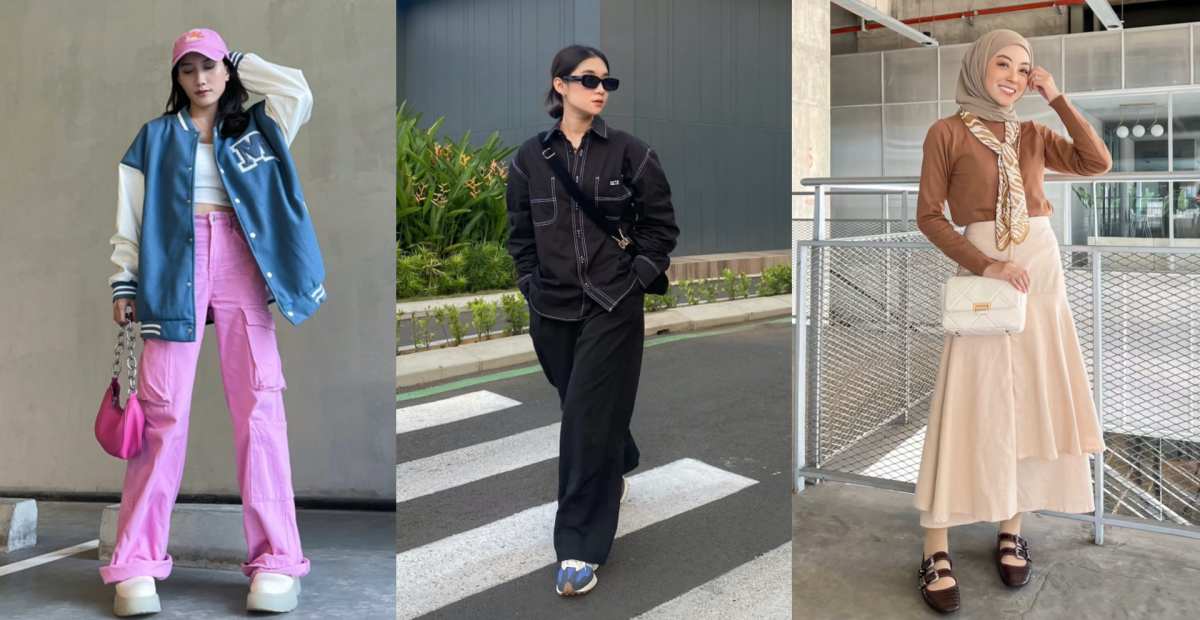
You can achieve a minimalist yet chic OOTD without sacrificing personality or comfort; focus on clean silhouettes, neutral palettes, and a few intentional accessories to make each piece feel purposeful. Build a capsule of versatile staples—think tailored blazers, quality tees, straight-leg trousers, and simple slip-on shoes—to mix and match for effortless, polished looks.
This post shows current minimalist trends and practical steps to assemble a capsule wardrobe, plus quick ideas for casual days, work, and low-key events. Expect clear styling tips, common mistakes to avoid, and care advice so your streamlined pieces last and stay flattering.
What Is OOTD for Women: Minimalist and Chic Trends
You’ll find OOTD for women combines intentional simplicity with polished details. Expect outfits built from a small set of versatile pieces, clean silhouettes, and thoughtful accents that elevate everyday looks.
Defining Modern OOTD
Modern OOTD centers on purposeful curation rather than trend-chasing. You choose items that work across occasions: a well-fitted blazer, straight-leg jeans, a quality white tee, and neutral knitwear. These staples form the base of multiple outfits, so prioritize fit, fabric, and proportion when you shop.
When presenting your OOTD, focus on a clear narrative: what the outfit communicates and how it functions for your day. Lighting, minimal accessories, and a simple pose help the look read clearly in photos and real life. Consistency in color palette and tailoring makes your style instantly recognizable.
Core Elements of Minimalism
Minimalist OOTD strips outfits to essentials that serve both form and function. You rely on a limited palette—black, white, grey, beige—and on garments with clean lines: slip dresses, straight trousers, and boxy shirts. Texture and cut replace loud prints, so a satin top or ribbed knit adds subtle interest.
Accessories stay restrained: a leather crossbody, slim belt, and a pair of loafers or low-heel mules. Each piece must justify its place in your wardrobe by being wearable in at least three different outfits. This approach reduces decision fatigue and improves outfit cohesion.
The Essence of Chic Fashion
Chic OOTD elevates minimalism through refined details and impeccable grooming. You incorporate sharp tailoring, luxe fabrics like silk or fine wool, and architectural shoes that add structure. Small, intentional accents—gold hoop earring, silk scarf knot, or a crisp cuff—signal sophistication without clutter.
Proportion and balance guide your choices: if you wear an oversized coat, pair it with a fitted bottom. Color remains mostly neutral, but you can introduce one accent color—deep navy, camel, or muted burgundy—for visual focus. Presentation matters: pressed seams, polished shoes, and confident posture complete the chic effect.
Current OOTD Trends for Minimalist Women
Expect clean lines, neutral palettes, and quality fabrics that elevate simple pieces into polished looks. Focus on tailored shapes, muted colors, and tactile materials that work for work, weekend, and travel.
Popular Silhouettes and Cuts
You’ll see streamlined tailoring across blazers, trousers, and outerwear.
- Blazers: slightly oversized or softly structured single-breasted blazers that nip in at the waist for a subtle hourglass effect.
- Trousers: high-waisted, straight-leg or slightly tapered trousers that skim the ankle to pair with loafers or low heels.
- Dresses & skirts: midi wrap dresses and A-line midi skirts that allow movement without bulk.
Keep proportions balanced: if you wear wide-leg trousers, pair them with a fitted top or a cropped blazer. Embrace minimal detailing—hidden closures, clean hems, and precise seams—rather than embellishments.
Trending Colors and Patterns
Neutral tones dominate, with strategic accents to add interest.
- Core palette: warm beige, ivory, camel, charcoal, and muted olive for year-round versatility.
- Accent colors: deep navy, terracotta, and dusky rose used sparingly as a blouse, bag, or shoe.
- Patterns: micro-checks, thin pinstripes, and tone-on-tone herringbone appear mainly in suiting and outerwear.
You should stack neutrals for a cohesive look: a camel coat over an ivory knit with charcoal trousers reads polished and intentional. Use one accent piece to anchor an outfit rather than multiple competing colors.
Favorite Fabrics and Materials
You’ll prioritize natural, durable fabrics with good drape and texture.
- Wool & wool blends: ideal for blazers, coats, and tailored trousers because they hold structure and resist wrinkling.
- Cotton & poplin: breathable options for shirts and dresses that maintain a crisp appearance.
- Knitwear: fine-gauge merino or cashmere blends for lightweight warmth and a refined finish.
- Sustainable options: Tencel and recycled wool are gaining traction for their softness and lower environmental impact.
Choose materials that age well; focus on pieces that soften with wear rather than lose shape. Mixing one tactile element—like a cashmere sweater—with smoother fabrics creates subtle contrast without clutter.
Building a Minimalist Wardrobe
Focus on a compact set of high-impact garments, reliable layering pieces, and simple mix-and-match rules that let you create many looks from few items.
Essential Clothing Pieces
Start with 8–12 core items you wear most. Include:
- White button-down shirt — crisp fabric, tailored fit.
- Neutral T-shirts (black, white, gray) — mid-weight cotton, crew and v-neck.
- Tailored blazer (navy or beige) — structured shoulders, single-breasted.
- High-rise trousers (black and camel) — straight or tapered cut.
- Dark slim jeans — minimal distressing, clean hem.
- Midi skirt (neutral or pinstripe) — A-line or pencil for versatility.
- Lightweight knit (cashmere or merino) — crew or turtleneck.
- Classic coat (wool, camel or charcoal) — knee-length for layering.
Prioritize neutral colors and quality fabrics that resist pilling and hold shape. Buy the best-fitting pair of shoes you can afford: loafers, white sneakers, and low-heel boots cover most outfits. Replace worn basics first to preserve a neat capsule.
Smart Layering Techniques
Layer to control proportion and function without bulk. Start with a fitted base (tee or thin knit), add a mid layer for structure (shirt or sweater), then finish with a tailored outerwear piece.
Use length contrasts: pair a cropped jacket with a midi skirt, or a long coat over cropped trousers. Thin fabrics like silk camis or lightweight knits prevent overheating under blazers. Choose one focal detail per outfit — collar, cuff, or hem — to keep looks intentional.
Keep colors limited to two or three per outfit and vary textures (cotton, wool, leather) to add depth. Carry a neutral scarf for warmth and instant polish; it folds small and transforms silhouettes.
Mix and Match Tips for Versatility
Adopt simple rules to multiply outfits: neutral bottoms with patterned or textured tops, and vice versa. Create outfits by rotating three anchor pieces (blazer, jeans, knit) with two seasonal items (skirt, coat).
Make a small table to track combinations you wear often:
| Anchor Items | Rotating Pieces | Shoes/Accessories |
|---|---|---|
| Blazer + Tee | Midi skirt, Jeans | Loafers, Belt |
| Knit + Jeans | Tailored trousers | Boots, Minimal bag |
Invest in one standout accessory — structured bag or silk scarf — to lift basic looks. Photograph outfits you like on your phone to repeat patterns easily and avoid decision fatigue.
Achieving a Chic Look Effortlessly
Focus on clean lines, a restrained color palette, and intentional details that elevate simple pieces without clutter. Small choices—like metal finishes, a single patterned item, or a tailored shoe—define the difference between plain and polished.
Accessorizing Minimalist Outfits
Choose one focal accessory and keep the rest understated. A slim gold chain, a pair of small hoop earrings, or a leather-strap watch creates polish without competing elements.
Match metal tones across pieces: gold with warm neutrals, silver with cool grays, and matte black hardware with monochrome looks.
Use bag size and shape to steer the outfit’s mood. A structured mini tote reads refined; a soft slouch hobo reads casual. Limit patterns to one accessory—like a scarf tied to a bag—to introduce visual interest while preserving minimalism.
Consider functional details that look intentional: visible stitching, subtle logos, or a clean clasp. These small, visible cues signal quality and keep your outfit cohesive.
Subtle Statement Pieces
Pick one modestly bold item to anchor the look: a tailored blazer in camel, a midi skirt with a single seam detail, or a knit with an interesting rib pattern. Keep silhouettes simple so the item reads as purposeful, not loud.
Color statements work best when contained—try a deep burgundy coat with otherwise neutral garments. Texture statements also work: a satin blouse beneath a wool coat gives depth without excess.
Scale matters: if the statement piece has volume (balloon sleeve), balance it with slim bottoms. If it’s a long coat, pair it with cropped trousers or ankle boots to keep proportions clean.
Shoes That Complement Minimalism
Choose shoes with simple shapes and quality construction. Pointed flats, clean white sneakers, loafers with minimal hardware, and low block heels all support a chic minimalist aesthetic.
Material choice sharpens the look: polished leather reads dressy, suede reads softer and more relaxed, while matte rubber suits utilitarian outfits.
Match shoe color to either your trousers or bag to elongate the line of the body. For contrast, use one accent shoe in a rich tone—like oxblood or navy—while keeping the rest of the outfit neutral. Ensure proportion: slim trousers pair best with low-profiles, while cropped wide-legs suit chunkier soles.
Inspiration: Minimalist OOTD Ideas for Different Occasions
Lean on neutral colors, clean lines, and one standout accessory to keep outfits cohesive and effortless. Focus on fit, fabric quality, and a simple silhouette to translate minimalism across work, casual, and special events.
Workwear and Office Outfits
Choose a tailored blazer in navy, black, or warm beige as your anchor piece. Pair it with a slim T-shirt or silk blouse and high-waist tailored trousers for a modern, professional look.
Swap trousers for a midi pencil skirt when you need a softer silhouette; add low-heeled loafers or leather mules to maintain polish without sacrificing comfort.
Keep accessories minimal: a thin belt, small hoop earrings, and a classic watch elevate the outfit without clutter. For fabrics, pick wrinkle-resistant wool blends or silk blends that hold shape through meetings.
If your office allows smart-casual, trade the blazer for a structured cardigan and keep the rest monochrome for an easy, refined outfit.
Casual Everyday Ensembles
Start with a neutral knit or crisp white tee as your base. Combine with straight-leg jeans or wide-leg cropped pants in denim or linen for breathable, everyday ease.
Layer a lightweight trench or oversized shirt jacket when the weather changes; this adds structure without overpowering the minimalist vibe.
Footwear should be practical and stylish: white leather sneakers, simple sandals, or ankle boots work well. Use one focal accessory—a slim crossbody bag or a silk scarf—to add personality.
Stick to a palette of 2–3 colors per look to make dressing faster and maintain a cohesive wardrobe across errands, coffee dates, and weekend strolls.
Special Occasion Looks
Opt for a slip dress or a sleek crepe sheath in a muted tone for formal or semi-formal events. Keep lines clean and avoid heavy embellishment to preserve the minimalist ethos.
Add a single statement element such as a structured clutch, bold cuff, or pointed-toe heels to create impact without clutter.
For colder months, layer with a long wool coat and leather gloves to keep the silhouette streamlined. Choose fabrics with subtle texture—matte satin, fine wool, or crepe—to reflect light and add depth.
If you prefer separates, combine a tailored blouse with a high-waist skirt and delicate gold jewelry to achieve a refined, effortless presence.
Styling Mistakes to Avoid in Minimalist Fashion
Minimalism values restraint; avoid over-accessorizing. Choose one or two simple accessories that enhance your look rather than compete with it.
Don’t rely solely on neutrals without texture. A single-tone outfit can look flat; mix fabrics like cotton, silk, and wool to add depth while staying understated.
Avoid ill-fitting pieces even if they’re high-quality. Tailoring matters—well-fitted basics elevate your silhouette and keep the minimalist aesthetic crisp.
Resist following every trend. Minimalist style favors timeless pieces; invest in classics (a tailored blazer, straight trousers, a clean shirt) instead of transient fads.
Don’t ignore maintenance. Wrinkled, pilled, or stained garments undermine minimalism’s polished intent. Keep items clean, pressed, and in good repair.
Avoid cluttered patterns or loud branding. Minimal chic thrives on clean lines and subtle details; logos and busy prints usually distract from that clarity.
Be careful with color extremes. Too many contrasting tones break the calm of a minimalist palette. Stick to a cohesive color story—use one accent color if needed.
Tip list for quick checks:
- Fit: Shoulders and length are key.
- Fabric: Prioritize quality and texture.
- Accessories: Keep them minimal and purposeful.
- Care: Garments must look intentional, not neglected.
These adjustments keep your minimalist outfits intentional, polished, and genuinely chic.
Care Tips for Maintaining a Simple Chic Wardrobe
Keep garments in rotation to prevent wear on favorites. Rotate basics like white tees, tailored blazers, and neutral trousers so each piece rests between wears.
Follow care labels and treat fabrics differently. Wash cotton and linen on cool, gentle cycles; hand-wash delicate knits and silk or use a mesh bag to protect them.
Repair small damage immediately to prolong life. Replace buttons, fix hems, and mend seams — these tiny actions keep pieces looking polished and save money.
Store items to preserve shape and color. Use padded hangers for blazers, fold knitwear to avoid stretching, and store seasonal items in breathable containers to prevent mildew.
Limit washing to reduce fading and shrinkage. Spot-clean when possible, and air garments after wearing to freshen them between washes.
Invest in a few quality tools and supplies. A lint roller, gentle detergent, a fabric shaver, and a sewing kit solve most maintenance needs quickly.
Create a simple care checklist you can follow each season. Assess wear, launder appropriately, mend where needed, and decide what to donate — this keeps your wardrobe intentional and uncluttered.
Bold upkeep routines make minimalism sustainable. When you care for each piece, your simple chic aesthetic stays refined and ready for everyday wear.
Conclusion
You can build a minimalist-chic OOTD by focusing on quality pieces, neutral colors, and clean lines. These choices make dressing simpler and keep your look polished with minimal effort.
Mix textures and subtle accessories to add interest without cluttering your outfit. Think silk blouses, structured blazers, or a single statement earring to elevate a basic look.
Prioritize fit and versatility when shopping. A well-tailored blazer, wide-leg trousers, and a crisp white shirt will serve many occasions and save you time.
Use a simple color palette as your foundation—black, white, beige, and navy work well together. Add one accent color sparingly to refresh your wardrobe seasonally.
Try these quick styling rules:
- Keep proportions balanced.
- Choose one statement item per outfit.
- Favor natural fabrics for comfort and longevity.
You’ll achieve a chic, modern aesthetic that feels intentional and wearable. Small adjustments—like swapping sneakers for loafers or tucking a shirt—can transform your daily looks.